


The Difference Between Being and Doing — and Why We Need Both

March 3, 2026 Paula Gurnett, C.C.C
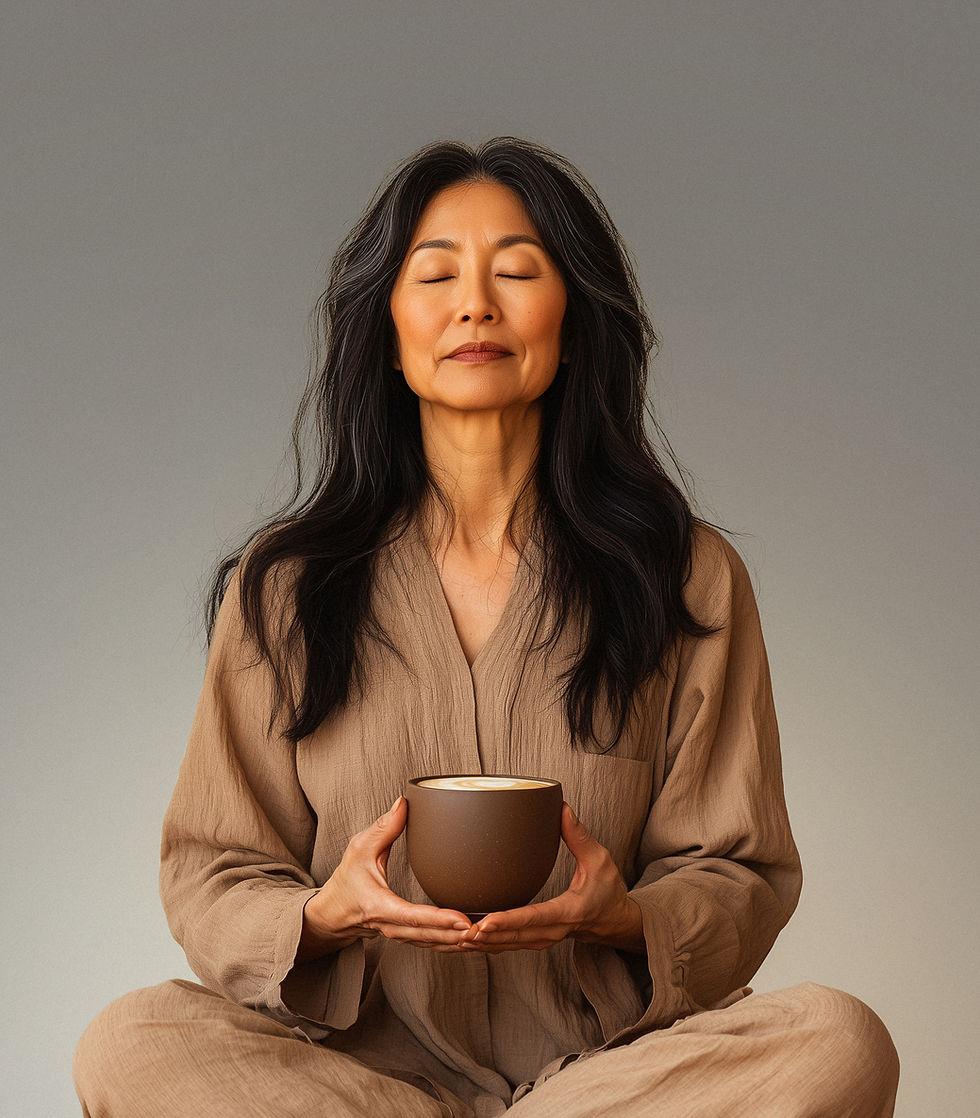
In modern life, many of us live almost entirely in doing mode.
We wake up to alarms, checklists, notifications, deadlines. We measure our worth by productivity, output, and achievement. Even rest is often treated as something to do well—optimized, tracked, and justified.
But psychology (and ancient wisdom traditions) remind us that human wellbeing doesn’t come from doing alone. It emerges from a dynamic balance between being and doing—a relationship beautifully captured in the yin–yang principle.
What Is “Doing”?
Doing refers to action, effort, and goal-directed behaviour.
It includes:
Working, achieving, problem-solving
Planning, striving, improving
Pushing through discomfort to reach an outcome
From a psychological perspective, doing is driven by the task-oriented mind—the part of us focused on control, progress, and results. It’s essential for survival, growth, and contribution.
Healthy doing gives us:
A sense of competence
Purpose and momentum
Structure and direction
But when doing dominates our inner world, problems arise.
Excessive doing can lead to:
Chronic stress and burnout
Anxiety rooted in “never enough” thinking
Self-worth tied exclusively to performance
In other words, when we only value ourselves for what we do, we lose touch with who we are.
What Is “Being”?
Being is about presence rather than performance.
It includes:
Awareness of thoughts, feelings, and bodily sensations
Allowing rather than fixing
Rest, reflection, and stillness
Connection without an agenda
Being is associated with the experiential mind—the part of us that notices life as it unfolds, without immediately trying to change it.
Psychologically, being supports:
Emotional regulation
Nervous system recovery
Self-compassion and authenticity
In being mode, your value is inherent. You don’t have to earn rest, love, or belonging. You simply exist—and that is enough. However, being without doing can also become unbalanced. Too much being may drift into passivity, avoidance, or stagnation.
Yin and Yang: Not Opposites, but Partners
In Eastern philosophy, yin and yang are not enemies—they are complementary forces that define and sustain each other.
Yin reflects being: receptivity, softness, stillness, intuition
Yang reflects doing: action, structure, movement, direction
Notice something important: Each contains a seed of the other.
Healthy doing arises from grounded being. Healthy being is protected by intentional doing.
In psychological terms, wellbeing isn’t about choosing one—it’s about fluid movement between the two, depending on what the moment calls for.
Why Balance Matters for Mental Health
When people struggle with anxiety, perfectionism, or burnout, they are often over-identified with doing. When people struggle with low motivation or disconnection, they may be stuck in being without direction.
Therapeutic work often involves restoring balance:
Teaching high achievers how to pause, feel, and soften
Helping overwhelmed nervous systems feel safe enough to stop striving
Supporting disengaged individuals in taking gentle, meaningful action
Balance doesn’t mean 50/50 every day. It means responsiveness—knowing when to act and when to allow.
Practicing Balance in Daily Life
You can begin integrating being and doing with small, intentional shifts:
Before action, pause: Take one breath before responding, deciding, or pushing forward.
Schedule being, not just doing: Unstructured time, nature, quiet moments without productivity goals.
Notice your self-talk: Are you valuing yourself only when you’re useful?
Let rest be purposeful: Rest is not the absence of productivity—it’s what sustains it.
You are not a machine designed only to produce outcomes. Nor are you meant to float through life without direction.
You are both human and active, present and purposeful.
When being and doing are in balance, life feels less like a race—and more like a rhythm.
And in that rhythm, psychological health doesn’t just survive.
It flows.

